
A multipolar global financial system

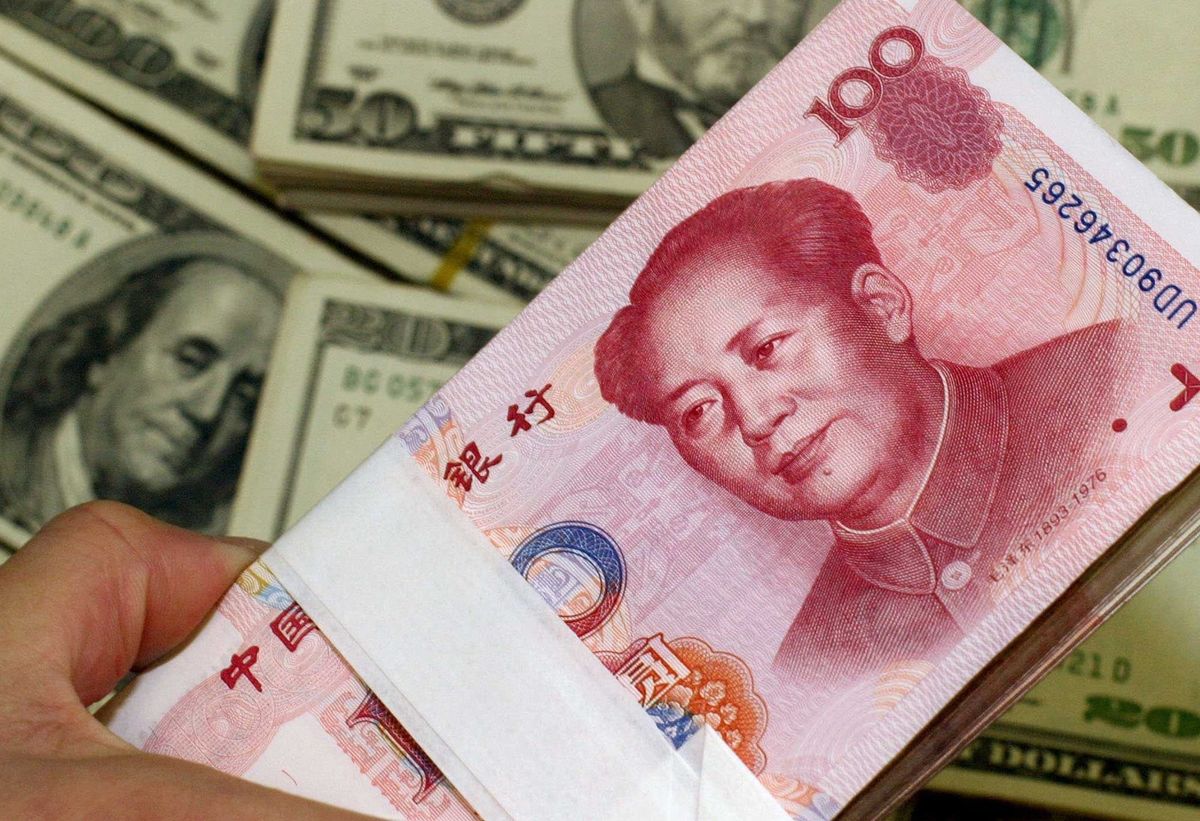
If you grew up American, as I did, you probably think only in US dollars and operate in a Visa/MC/Amex world. That's how the global financial system worked for decades. But times are changing. The US financial system declining in relative importance and is no longer the only game in town.
China is the world's largest economy. The renminbi makes up an increasing portion of cross border trade and its growing at a rapid clip. China's Visa competitor, UnionPay, is the world's largest card network by cards in circulation, the world's largest in terms of debit card payment value and is close to surpassing Visa in terms of being the world's largest for total payment value.
In addition to China, numerous other countries large and small have rolled out their own payment methods and started interconnecting them with other countries. Walk around Thailand these days (for example) and small and medium merchants will expect payment by the national QR scheme PromptPay and often no longer take credit cards. Russia out of necessity has entirely replaced foreign payment networks in its country with new home-grown ones.
After years of US financial sanctions and overspending, nation-states have gotten the message and gold has returned as the reserve currency of choice.
And then there's, of course, bitcoin and its growing bitcoin financial system along with various other cryptocurrencies. For the first time in history there are global options to state-created currencies that can be transacted without permission or intermediaries.
This is all to say that we are well on our way to a new multipolar global financial system. It's prudent to consider how to diversify your personal financial situation. You might have been never left the country you were born in, but there's no reason you have to keep all of your financial eggs in that basket as well.