
How to pick a good landlord

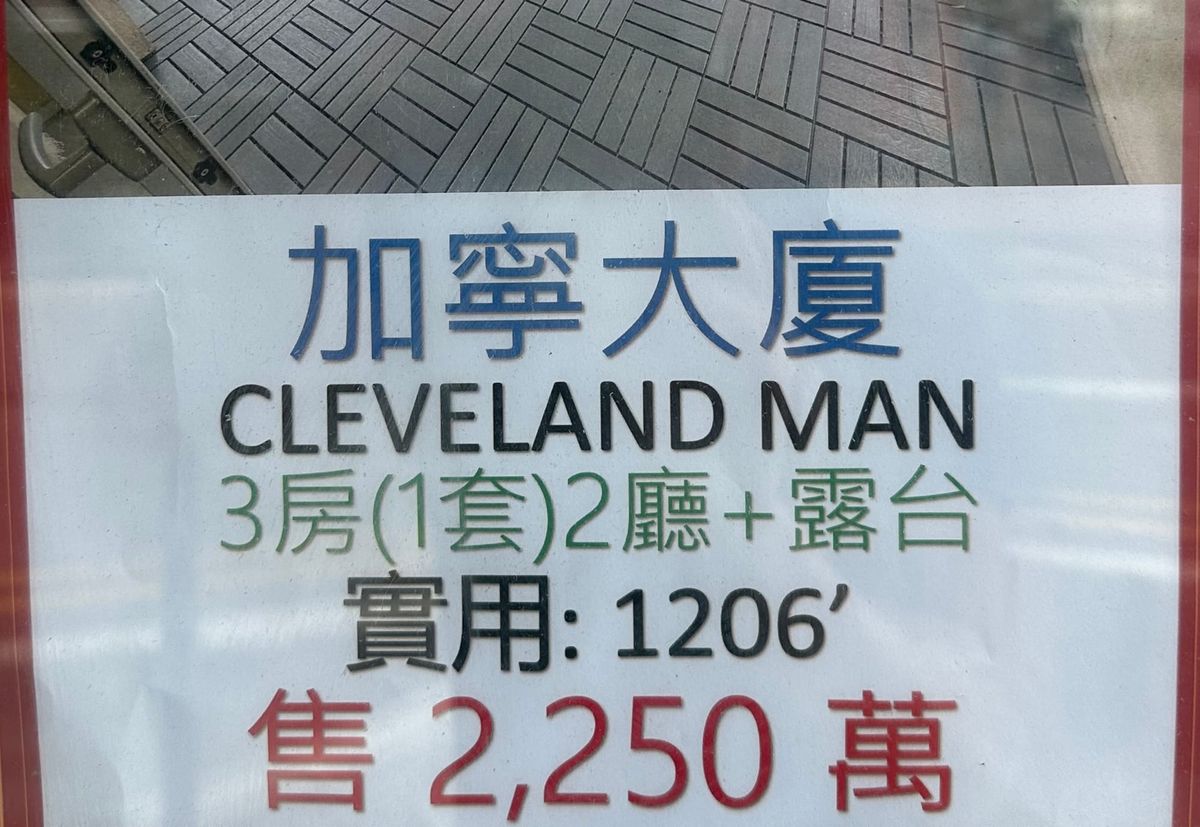
I've had at least a dozen landlords over the course of my adult life and I've had a good, or at least amicable, working relationship with all of them. This is because when I'm shopping for a flat, office or house to rent I also am shopping for a good landlord. If the landlord is not good, I won't rent the property.
When I made that bold statement to a friend at dinner this evening, she asked me how I was able pick landlords since one often does not usually meet the landlord until after agreeing to rent the property. I didn't have an entirely clear answer at the time and instead just said "I ask for things and see how they respond."
On the way home, unhappy with my response, I started thinking more about how exactly I pick a good landlord and maintain a mutually beneficial, pleasant working relationship. Here is what I do:
The first rule of choosing a good landlord is that, no matter how much you like the property or how good of a deal it seems, you have to be willing to walk away if the landlord shows signs of being difficult or unpleasant. There are always other options and you will be much happier with a property that's slightly more expensive or slightly less attractive if it comes with a much better landlord.
Once I've set that expectation properly, I start looking for signs that a landlord might be trouble. This is easier than one might think and it starts with online listings. Properties that are listed directly for rent by the owner and emphasize no agent commission are a red flag. These owners are almost always incredibly stingy which is why the don't want to pay a real estate agent to rent it. This means they aren't going be very willing to fix anything when it breaks because that will also cost them money. These cheap owners also usually think their property is the most precious one on the market and never want to negotiate on price. Just save your time and entirely skip direct-by-owner listings.
The agent telling you that the owner won't negotiate on price is yet another red flag. The entire point of this process of finding a property to rent is to find one you like and negotiate a price that is fair. Not wanting to negotiate at all is itself unfair and you don't want an unfair landlord.
Another red flag that tells you that a landlord is probably a bad egg is when the agent tells you that the landlord will only rent the property with uncommon or unreasonable terms in a contract. I once came across a property where the landlord insisted that the tenant agree to Hong Kong's standard fix 2 year with 13th month break clause but that she herself wanted the ability to break the contract with 1 month's notice. This is obviously nonsense and even with a very low price I would pass on this because a reasonable landlord wouldn't ask for such unfair terms.
There are probably more red flags that I'm missing here, but you get the point. You can often filter out a lot of potentially bad landlords by just looking at the listing and listening to what the agent has to say.
Once you've done filtered landlords by reading and listening, you start to make small, reasonable, non-price-related requests of the landlord. The specific requests you make need to be appropriate to the property and the situation. They can be things you actually want or requests that you simply make to see how the landlord responds to them so that you can tell how it will be to work with the landlord in the future. For example, if the property hasn't been cleaned since the previous tenant moved out, you can ask that the landlord agree to clean it before delivering it to you. If there are some scratches on the wall you can ask that the landlord agree to repair those. While the point of these requests is that they should cost the landlord some money and effort, the requests should be easy and inexpensive in the context of the deal.
You also want to make a few different small requests, because there is the risk that what you think is a small or easy request is actually not small nor easy. This gives the landlord the ability to agree to two of your requests and while politely denying the third request with a reasonable explanation. If a landlord comes back via the agent denying all of my requests with no reasonable explanation, I will pass on the property.
You should, of course, also request a discount on the asking price, because no one pays the asking price (at least in Hong Kong and Mainland China). Asking prices are always inflated so that there's room to give the discount that every (savvy) tenant expects. You should pass on the property if the landlord is not willing to give you some sort of reasonable discount off the asking price or does not at least make reasonable counteroffer.
You are also free to make larger, much more material requests such as additional furniture or modifications to the property or non-standard contract terms, but do so with the understanding that a landlord can reject these requests without being unreasonable. While you're free to pass on the property if you don't want it without these changes, but don't treat the rejection of one of these larger requests as an indication that the landlord will not be a good landlord.
Once you've found a good landlord you need to keep her that way by being a good tenant. Even the best landlord can turn into the landlord from hell if you are or become a difficult or troublesome tenant. Being a good tenant boils down to clear, polite, proactive communication, to treating the landlord's property as if it was your own, following through on your side of the agreement and not causing problems for your landlord by your inappropriate use of the property. And, of course, always pay your rent on time. If you can afford it, pay your rent a few days early is even better. The few days of interest will cost you nothing and there's nothing that puts a smile on a landlord's face like a tenant that pays rent early. A smiling, happy landlord is a landlord that is much more likely to quickly fix a leaking toilet or pass on trying to raise your rent.
Like any relationship, the ones with landlords come with lots of early warnings. You just need to know what to look for and how to look for it. There's no reason that the relationship between landlord and tenant can't be pleasant.